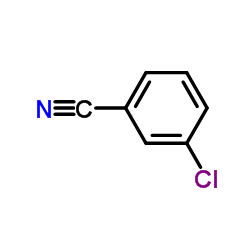
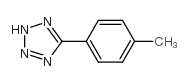
The most convenient route for the preparation of 5-substituted 1H-tetrazoles is via [3 + 2] cycloaddition of azide to the corresponding nitriles. Earlier synthetic methods suffered from some drawbacks including expensive and toxic metals, use of strong Lewis acids, and the presence of hydrazoic acid. In order to overcome these disadvantages, new pathways have been developed, 2 such as the catalytic method using a stoichiometric amount of inorganic salts 3,4 and metal ...