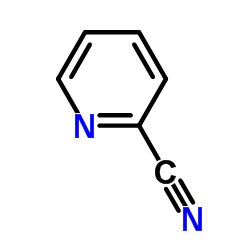
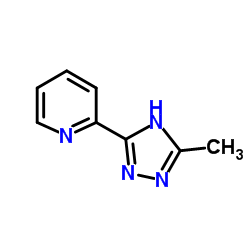
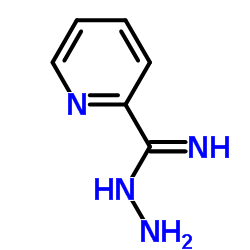
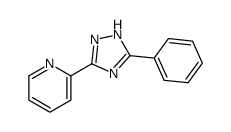
Abstract Pyridinylazolato (N–N′) ruthenium (II) complexes of the type [(N–N′) RuCl (PMe 3) 3] have been obtained in high yields by treating the corresponding functionalised azolylpyridines with [RuCl 2 (PMe 3) 4] in the presence of a base. 15 N NMR spectroscopy was used to elucidate the electronic influence of the substituents attached to the azolyl ring. The findings are in agreement with slight differences in the bond lengths of the ruthenium ...