By use of iterative design aided by predictive models for target affinity, brain permeability, and hERG activity, novel and diverse compounds based on cyclic amidine and guanidine cores were synthesized with the goal of finding BACE-1 inhibitors as a treatment for Alzheimer's disease. Since synthesis feasibility had low priority in the design of the cores, an extensive synthesis effort was needed to make the relevant compounds. Syntheses of ...


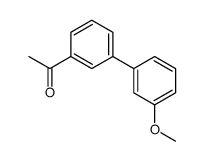
![(S)-O-[(2,2-DIMETHYL-1,3-DIOXOLAN-4-YL)METHYL]-HYDROXYAMINEHYDROHLORIDE结构式](https://image.chemsrc.com/caspic/096/35677-83-9.png)
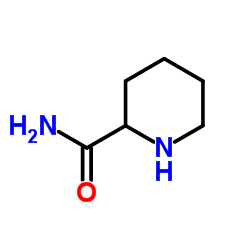
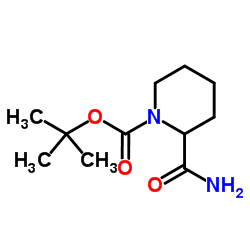
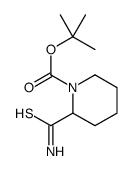
![3-甲氧基-[1,1-联苯]-3-甲腈结构式](https://image.chemsrc.com/caspic/498/154848-38-1.png)