1,4-distyrylbenzene
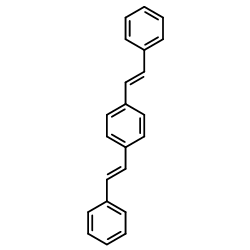
1,4-distyrylbenzene structure
|
Common Name | 1,4-distyrylbenzene | ||
|---|---|---|---|---|
| CAS Number | 1608-41-9 | Molecular Weight | 282.378 | |
| Density | 1.1±0.1 g/cm3 | Boiling Point | 443.6±30.0 °C at 760 mmHg | |
| Molecular Formula | C22H18 | Melting Point | 266 °C | |
| MSDS | N/A | Flash Point | 217.7±18.7 °C | |
This table lists Chinese names, IUPAC names and various aliases of this chemical substance.
| Name | 1,4-Bis(trans-2-phenylethenyl)benzene, |
|---|---|
| Synonym | More Synonyms |
This table shows physicochemical parameters including melting point, boiling point, density, solubility and optical rotation. Missing data is marked as N/A.
| Density | 1.1±0.1 g/cm3 |
|---|---|
| Boiling Point | 443.6±30.0 °C at 760 mmHg |
| Melting Point | 266 °C |
| Molecular Formula | C22H18 |
| Molecular Weight | 282.378 |
| Flash Point | 217.7±18.7 °C |
| Exact Mass | 282.140839 |
| LogP | 7.45 |
| Vapour Pressure | 0.0±0.5 mmHg at 25°C |
| Index of Refraction | 1.720 |
| InChIKey | IJAAWBHHXIWAHM-PHEQNACWSA-N |
| SMILES | C(=Cc1ccc(C=Cc2ccccc2)cc1)c1ccccc1 |
This table provides MSDS information including hazard classification, first‑aid, fire‑fighting, spill handling, operation and storage instructions.
|
trans,trans-1,4-Distyrylbenzene
SAFETY DATA SHEET Section1. IDENTIFICATION Product name:trans,trans-1,4-Distyrylbenzene Section2. HAZARDS IDENTIFICATION GHS classification
PHYSICAL HAZARDSNot classified
Not classified HEALTH HAZARDS ENVIRONMENTAL HAZARDSNot classified GHS label elements, including precautionary statements Pictograms or hazard symbolsNone No signal word Signal word Hazard statementsNone None Precautionary statements: Section3. COMPOSITION/INFORMATION ON INGREDIENTS Substance/mixture:Substance Components:trans,trans-1,4-Distyrylbenzene Percent:>98.0%(GC) CAS Number:1608-41-9 Chemical Formula:C22H18 Section4. FIRST AID MEASURES Inhalation:Remove victim to fresh air and keep at rest in a position comfortable for breathing. Get medical advice/attention if you feel unwell. Skin contact:Remove/Take off immediately all contaminated clothing. Rinse skin with water/shower. If skin irritation or rash occurs: Get medical advice/attention. Eye contact:Rinse cautiously with water for several minutes. Remove contact lenses, if present and easy to do. Continue rinsing. If eye irritation persists: Get medical advice/attention. Ingestion:Get medical advice/attention if you feel unwell. Rinse mouth. A rescuer should wear personal protective equipment, such as rubber gloves and air- Protection of first-aiders: tight goggles. Section5. FIRE-FIGHTING MEASURES Suitable extinguishingDry chemical, foam, water spray, carbon dioxide. media: Precautions for firefighters: Fire-extinguishing work is done from the windward and the suitable fire-extinguishing method according to the surrounding situation is used. Uninvolved persons should evacuate to a safe place. In case of fire in the surroundings: Remove movable containers if safe to do so. trans,trans-1,4-Distyrylbenzene Section5. FIRE-FIGHTING MEASURES Special protectiveWhen extinguishing fire, be sure to wear personal protective equipment. equipment for firefighters: Section6. ACCIDENTAL RELEASE MEASURES Personal precautions,Use personal protective equipment. Keep people away from and upwind of spill/leak. protective equipment and Entry to non-involved personnel should be controlled around the leakage area by emergency procedures: roping off, etc. Environmental precautions: Prevent product from entering drains. Methods and materials for Sweep dust to collect it into an airtight container, taking care not to disperse it. containment and cleaning Adhered or collected material should be promptly disposed of, in accordance with up: appropriate laws and regulations. Section7. HANDLING AND STORAGE Precautions for safe handling Handling is performed in a well ventilated place. Wear suitable protective equipment. Technical measures: Prevent dispersion of dust. Wash hands and face thoroughly after handling. Use a local exhaust if dust or aerosol will be generated. Advice on safe handling: Avoid contact with skin, eyes and clothing. Conditions for safe storage, including any incompatibilities Keep container tightly closed. Store in a cool and dark place. Storage conditions: Store away from incompatible materials such as oxidizing agents. Packaging material:Comply with laws. Section8. EXPOSURE CONTROLS / PERSONAL PROTECTION Engineering controls:Install a closed system or local exhaust as possible so that workers should not be exposed directly. Also install safety shower and eye bath. Personal protective equipment Respiratory protection: Dust respirator. Follow local and national regulations. Hand protection:Protective gloves. Eye protection:Safety glasses. A face-shield, if the situation requires. Skin and body protection: Protective clothing. Protective boots, if the situation requires. Section9. PHYSICAL AND CHEMICAL PROPERTIES Physical state (20°C):Solid Form:Crystal- Powder Colour:Very pale yellow - Pale yellow green Odour:No data available pH: No data available Melting point/freezing point:266°C Boiling point/range:No data available Flash point:No data available Flammability or explosive limits: No data available Lower: Upper:No data available No data available Relative density: Solubility(ies): [Water]No data available [Other solvents]No data available Section10. STABILITY AND REACTIVITY Stable under proper conditions. Chemical stability: Possibility of hazardous No special reactivity has been reported. reactions: Incompatible materials: Oxidizing agents trans,trans-1,4-Distyrylbenzene Section10. STABILITY AND REACTIVITY Hazardous decomposition Carbon monoxide, Carbon dioxide products: Section11. TOXICOLOGICAL INFORMATION Acute Toxicity:No data available Skin corrosion/irritation: No data available Serious eyeNo data available damage/irritation: Germ cell mutagenicity: No data available Carcinogenicity: IARC =No data available NTP =No data available Reproductive toxicity:No data available Section12. ECOLOGICAL INFORMATION Ecotoxicity: No data available Fish: Crustacea:No data available No data available Algae: Persistence / degradability: No data available No data available Bioaccumulative potential(BCF): Mobility in soil Log Pow:No data available No data available Soil adsorption (Koc): Henry's LawNo data available constant(PaM3/mol): Section13. DISPOSAL CONSIDERATIONS Recycle to process, if possible. Consult your local regional authorities. You may be able to dissolve or mix material with a combustible solvent and burn in a chemical incinerator equipped with an afterburner and scrubber system. Observe all federal, state and local regulations when disposing of the substance. Section14. TRANSPORT INFORMATION Hazards Class:Does not correspond to the classification standard of the United Nations Not listed UN-No: Section15. REGULATORY INFORMATION Safe management ordinance of dangerous chemical product (State Council announces on January 26, 2002 and revised on February 16,2011): Safe use and production, the storage of a dangerous chemical, transport, loading and unloading were prescribed. trans,trans-1,4-Distyrylbenzene SECTION 16 - ADDITIONAL INFORMATION N/A |
This table presents publicly reported synthetic routes, reaction conditions, reactants and product information of the compound.
This table lists upstream starting materials and downstream derivative products related to this chemical.
| Precursor 10 | |
|---|---|
| DownStream 4 | |
 CAS#:1849-27-0
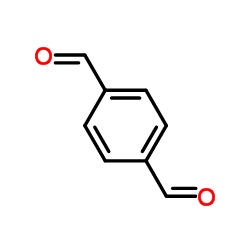 CAS#:623-27-8
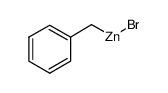 CAS#:62673-31-8
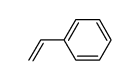 CAS#:292638-84-7
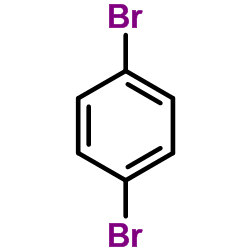 CAS#:106-37-6
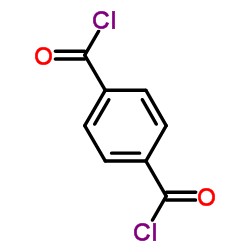 CAS#:100-20-9
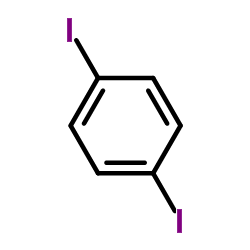 CAS#:624-38-4
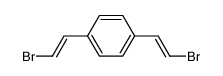 CAS#:64984-68-5
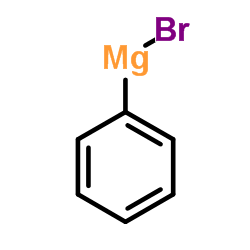 CAS#:100-58-3
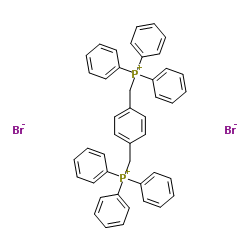 CAS#:40817-03-6
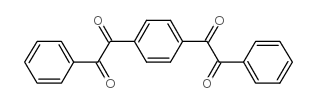 CAS#:3363-97-1
 CAS#:1985-58-6
 CAS#:95166-77-1
This table collects all English aliases, systematic names and CAS‑related synonyms of the compound.
| 1,4-bis(styryl)benzene |
| 1,4-Bis[(E)-styryl]benzene |
| 1,4-di(2-phenylvinyl)benzene |
| 1,4-Bis[(E)-2-phenylvinyl]benzene |
| 1,4-distyrylbenzene |
| trans,trans-1,4-distyrylbenzene |
| p-trans,trans-distyrylbenzene |
| 1,4-Bis(trans-2-phenylethenyl) |
| 1-cis-Styryl-4-trans-styrylbenzene |
| 1,4-Bis(trans-styryl)benzene |
| (E,E)-1,4-bis(2-phenylethenyl)benzene |
| 4-styrylstilbene |
| 1,4-Bis(trans-2-phenylethenyl)benzene |
| (E,E)-p-Distyrylbenzene |
| trans,trans-para-styrylstilbene |
This section contains frequently‑asked‑questions about this compound, including basic parameters, properties, storage conditions and corresponding answers.
| Q: What are the downstream products of 1,4-Bis(trans-2-phenylethenyl)benzene,? |
| A: Related downstream products(CAS) of 1,4-Bis(trans-2-phenylethenyl)benzene,: 3363-97-1;1849-27-0;1985-58-6;95166-77-1. |
| Q: What is the SMILES notation of 1,4-Bis(trans-2-phenylethenyl)benzene,? |
| A: SMILES notation of 1,4-Bis(trans-2-phenylethenyl)benzene, is C(=Cc1ccc(C=Cc2ccccc2)cc1)c1ccccc1. |
| Q: What is the CAS number of 1,4-Bis(trans-2-phenylethenyl)benzene,? |
| A: CAS number of 1,4-Bis(trans-2-phenylethenyl)benzene, is 1608-41-9. |
| Q: What is the molecular weight of 1,4-Bis(trans-2-phenylethenyl)benzene,? |
| A: Molecular weight of 1,4-Bis(trans-2-phenylethenyl)benzene, is 282.378. |
| Q: What is the InChIKey of 1,4-Bis(trans-2-phenylethenyl)benzene,? |
| A: InChIKey of 1,4-Bis(trans-2-phenylethenyl)benzene, is IJAAWBHHXIWAHM-PHEQNACWSA-N. |
| Q: What is the molecular formula of 1,4-Bis(trans-2-phenylethenyl)benzene,? |
| A: Molecular formula of 1,4-Bis(trans-2-phenylethenyl)benzene, is C22H18. |
| Q: What is the LogP of 1,4-Bis(trans-2-phenylethenyl)benzene,? |
| A: LogP of 1,4-Bis(trans-2-phenylethenyl)benzene, is 7.45. |
| Q: What are the upstream materials of 1,4-Bis(trans-2-phenylethenyl)benzene,? |
| A: Related upstream materials(CAS) of 1,4-Bis(trans-2-phenylethenyl)benzene,: 1849-27-0;623-27-8;62673-31-8;292638-84-7;106-37-6;100-20-9;624-38-4;64984-68-5;100-58-3;40817-03-6. |
| Q: What is the boiling point of 1,4-Bis(trans-2-phenylethenyl)benzene,? |
| A: Boiling point of 1,4-Bis(trans-2-phenylethenyl)benzene, is 443.6±30.0 °C at 760 mmHg. |
| Q: What is the English name of 1,4-Bis(trans-2-phenylethenyl)benzene,? |
| A: The English name of 1,4-Bis(trans-2-phenylethenyl)benzene, is 1,4-Bis(trans-2-phenylethenyl)benzene,. |
This table lists manufacturers and suppliers of this compound, including vendor names and product supply reference information.
| Shanghai Nianxing Industrial Co., Ltd |
| Dayang Chem (Hangzhou) Co., Ltd. |