Environmental Pollution 2013-03-01

Deposition and release kinetics of nano-TiO2 in saturated porous media: effects of solution ionic strength and surfactants.

Itzel G Godinez, Christophe J G Darnault, Amid P Khodadoust, Dorin Bogdan

Index: Environ. Pollut. 174 , 106-13, (2013)

Full Text: HTML

Abstract

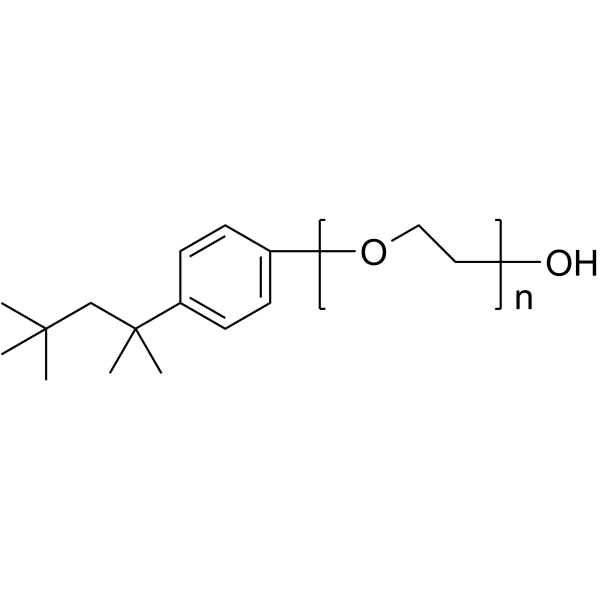
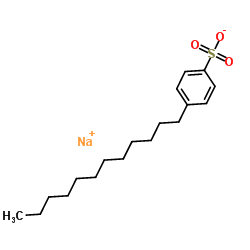
The aggregation, transport and deposition kinetics (i.e. attachment and release) of TiO(2) nanoparticles (nano-TiO(2)) were investigated as a function of ionic strength and the presence of anionic (sodium dodecylbenzene sulfonate, SDBS) and non-ionic (Triton X-100) surfactants in 100% critical micelle concentration (CMC). The electrolyte concentration of the suspensions dictated the kinetic stability of nano-TiO(2) thus influencing the transport and retention of the nanoaggregates in the saturated porous medium. With increasing ionic strength, the interaction between approaching nano-TiO(2) and nano-TiO(2) already deposited onto collectors surfaces seemed to be more favorable than the interaction between approaching nano-TiO(2) and bare collectors surfaces. The abrupt and gradual reduction in electrolyte concentration during the flushing cycles of the column experiments induced the release of previously deposited nano-TiO(2) suggesting attachment of nano-TiO(2) through secondary energy minimum.Copyright © 2012 Elsevier Ltd. All rights reserved.

Related Compounds

Structure Name/CAS No. Articles
Triton X-100 Structure Triton X-100
CAS:9002-93-1
sodium dodecyl benzene sulfonate Structure sodium dodecyl benzene sulfonate
CAS:25155-30-0
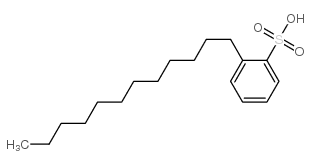
Dodecylbenzenesulphonic acid Structure Dodecylbenzenesulphonic acid
CAS:27176-87-0