Michael E Baker
Index: Steroids 78(3) , 337-40, (2013)
Full Text: HTML
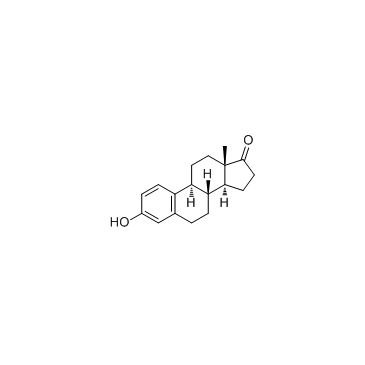
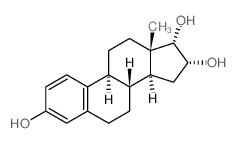
Estradiol (E2) is the principal physiological estrogen in mammals. E2 and its active metabolites, estrone and estriol have a characteristic phenolic A ring, unlike progesterone, testosterone, cortisol and aldosterone, which have an A ring containing a C3-ketone, a Δ(4) bond and a C19 methyl group. Crystal structures of E2 in the estrogen receptor (ER) confirm the importance of the A ring in stabilizing E2 in the ER. However, other steroids, including Δ(5)-androstenediol, 5α-androstanediol and 27-hydroxycholesterol, which have a saturated A ring containing a 3β-hydroxyl and a C19 methyl group, also mediate physiological responses through binding to estrogen receptor-α (ERα) and ERβ. Moreover, selective estrogen response modulators (SERMs) with diverse structures also regulate transcription of ERα and ERβ. Our understanding of the physiological responses mediated by these "alternative" estrogens is in its infancy. Further studies of the role of these steroids and SERMs in regulating responses mediated by ERα and ERβ a variety of tissues, during different stages of development, are likely to uncover additional estrogenic activities.Copyright © 2013 Elsevier Inc. All rights reserved.