Bioorganic & Medicinal Chemistry 2015-09-01

Carbon nanotubes supported tyrosinase in the synthesis of lipophilic hydroxytyrosol and dihydrocaffeoyl catechols with antiviral activity against DNA and RNA viruses.

Giorgia Botta, Bruno Mattia Bizzarri, Adriana Garozzo, Rossella Timpanaro, Benedetta Bisignano, Donatella Amatore, Anna Teresa Palamara, Lucia Nencioni, Raffaele Saladino

Index: Bioorg. Med. Chem. 23 , 5345-51, (2015)

Full Text: HTML

Abstract

Hydroxytyrosol and dihydrocaffeoyl catechols with lipophilic properties have been synthesized in high yield using tyrosinase immobilized on multi-walled carbon nanotubes by the Layer-by-Layer technique. All synthesized catechols were evaluated against a large panel of DNA and RNA viruses, including Poliovirus type 1, Echovirus type 9, Herpes simplex virus type 1 (HSV-1), Herpes simplex virus type 2 (HSV-2), Coxsackievirus type B3 (Cox B3), Adenovirus type 2 and type 5 and Cytomegalovirus (CMV). A significant antiviral activity was observed in the inhibition of HSV-1, HSV-2, Cox B3 and CMV. The mechanism of action of the most active dihydrocaffeoyl derivative was investigated against a model of HSV-1 infection. Copyright © 2015 Elsevier Ltd. All rights reserved.

Related Compounds

Structure Name/CAS No. Articles
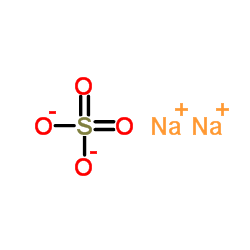
sodium sulfate Structure sodium sulfate
CAS:7757-82-6
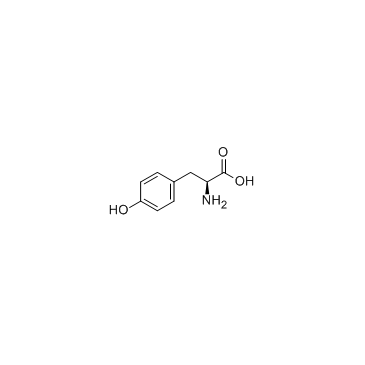
L-Tyrosine Structure L-Tyrosine
CAS:60-18-4
glutaraldehyde Structure glutaraldehyde
CAS:111-30-8
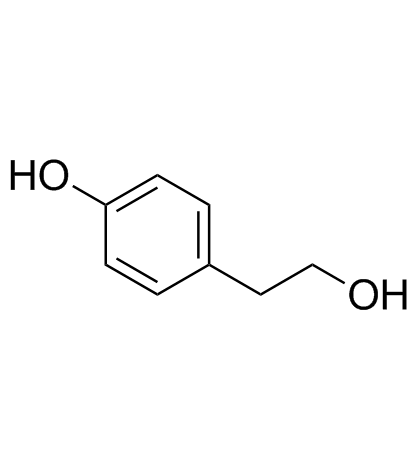
4-Hydroxyphenyl ethanol Structure 4-Hydroxyphenyl ethanol
CAS:501-94-0
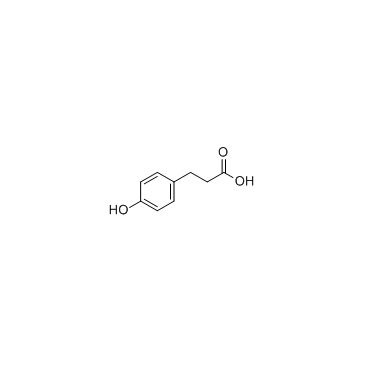
Desaminotyrosine Structure Desaminotyrosine
CAS:501-97-3