Molecular Medicine Reports 2015-03-01

Paxillin regulates vascular endothelial growth factor A-induced in vitro angiogenesis of human umbilical vein endothelial cells.

Wan-Ju Yang, Yan-Ning Yang, Jin Cao, Zi-Hui Man, Ying Li, Yi-Qiao Xing

Index: Mol. Med. Report. 11(3) , 1784-92, (2014)

Full Text: HTML

Abstract

The purpose of the present study was to investigate the role of paxillin in the vascular endothelial growth factor A (VEGF‑A)‑induced adhesion, proliferation, migration and capillary formation of endothelial cells (ECs) in vitro. Human umbilical vein ECs (HUVECs) were used to evaluate these four processes in vitro. The HUVECs were either mock‑transfected (control), transfected with scramble small interference RNA (siRNA) or transfected with siRNA specifically targeting paxillin. VEGF‑A (20 ng/ml) was used to stimulate angiogenesis. The VEGF‑A treatment significantly increased the adhesion, proliferation, migration and tube formation of the HUVECs in the control and scramble siRNA groups, whereas the siRNA‑-mediated knockdown of paxillin inhibited these VEGF‑A‑induced effects. Paxillin is essential for VEGF‑A‑mediated angiogenesis in ECs and its inhibition may be a potential target for antiangiogenic therapies.

Related Compounds

Structure Name/CAS No. Articles
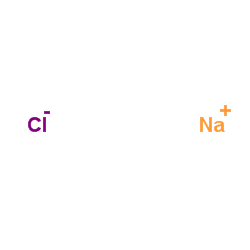
sodium chloride Structure sodium chloride
CAS:7647-14-5
SODIUM CHLORIDE-35 CL Structure SODIUM CHLORIDE-35 CL
CAS:20510-55-8
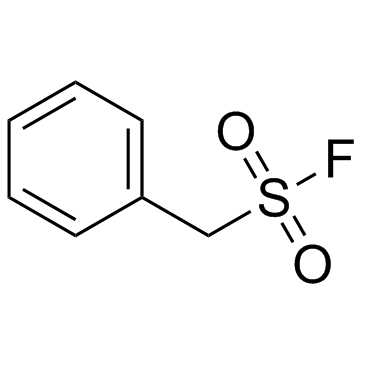
PMSF Structure PMSF
CAS:329-98-6
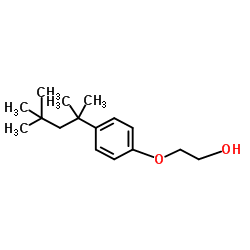
2-(4-(1,1,3,3-Tetramethylbutyl)phenoxy)ethanol Structure 2-(4-(1,1,3,3-Tetramethylbutyl)phenoxy)ethanol
CAS:2315-67-5
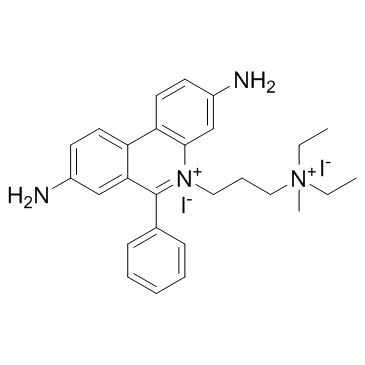
Propidium Iodide Structure Propidium Iodide
CAS:25535-16-4
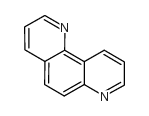
1,7-phenanthroline Structure 1,7-phenanthroline
CAS:230-46-6