International Union of Basic and Clinical Pharmacology. CII: Pharmacological Modulation of H2S Levels: H2S Donors and H2S Biosynthesis Inhibitors
Csaba Szabo,Andreas Papapetropoulos,Eliot H. Ohlstein,ASSOCIATE EDITOR,Csaba Szabo,Andreas Papapetropoulos,Csaba Szabo,Andreas Papapetropoulos
Index: 10.1124/pr.117.014050
Full Text: HTML
Abstract
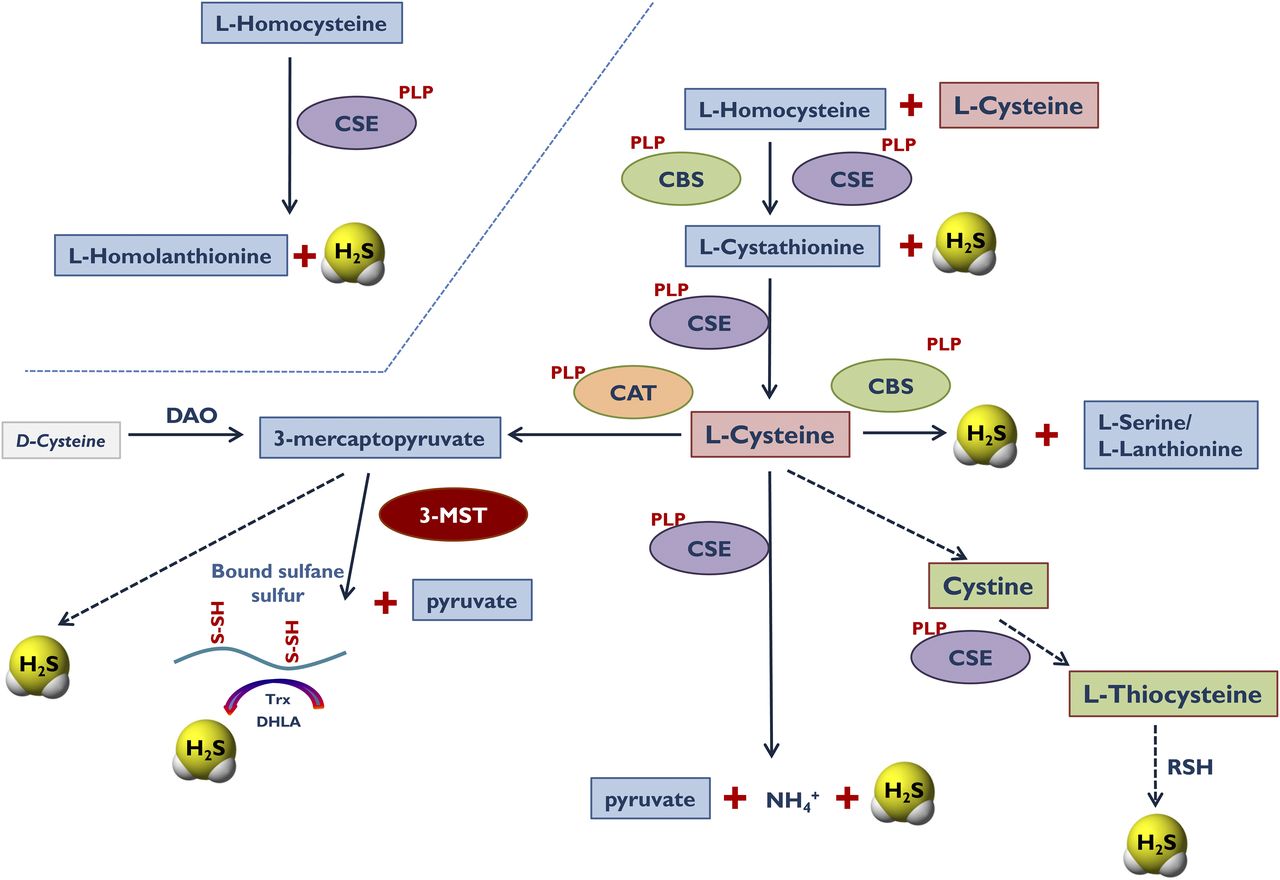
Over the last three decades, an unprecedented explosion occurred in the understanding of the biologic roles of the gaseous molecules nitric oxide (NO), carbon monoxide (CO), and—over the last decade—in the area of hydrogen sulfide (H2S), the “third gasotransmitter.” Enzyme systems producing these mediators have been discovered and characterized, and a multitude of scientific articles have been published on the metabolism, biologic roles, and the mechanisms of action of these three molecules. NO, CO, and H2S share many common properties: these rapidly diffusible gaseous molecules obey a different set of rules than most of the other classes of biologic mediators and pharmacological agents (reviewed in Wang, 2002; Szabo, 2010, 2016; Olson et al., 2012; Farrugia and Szurszewski, 2014). Each of the three gasotransmitter molecules can act as a vasodilator, cytoprotectant, and anti-inflammatory agent at lower concentrations, but they can also trigger cytotoxic and deleterious effects at higher concentrations.